
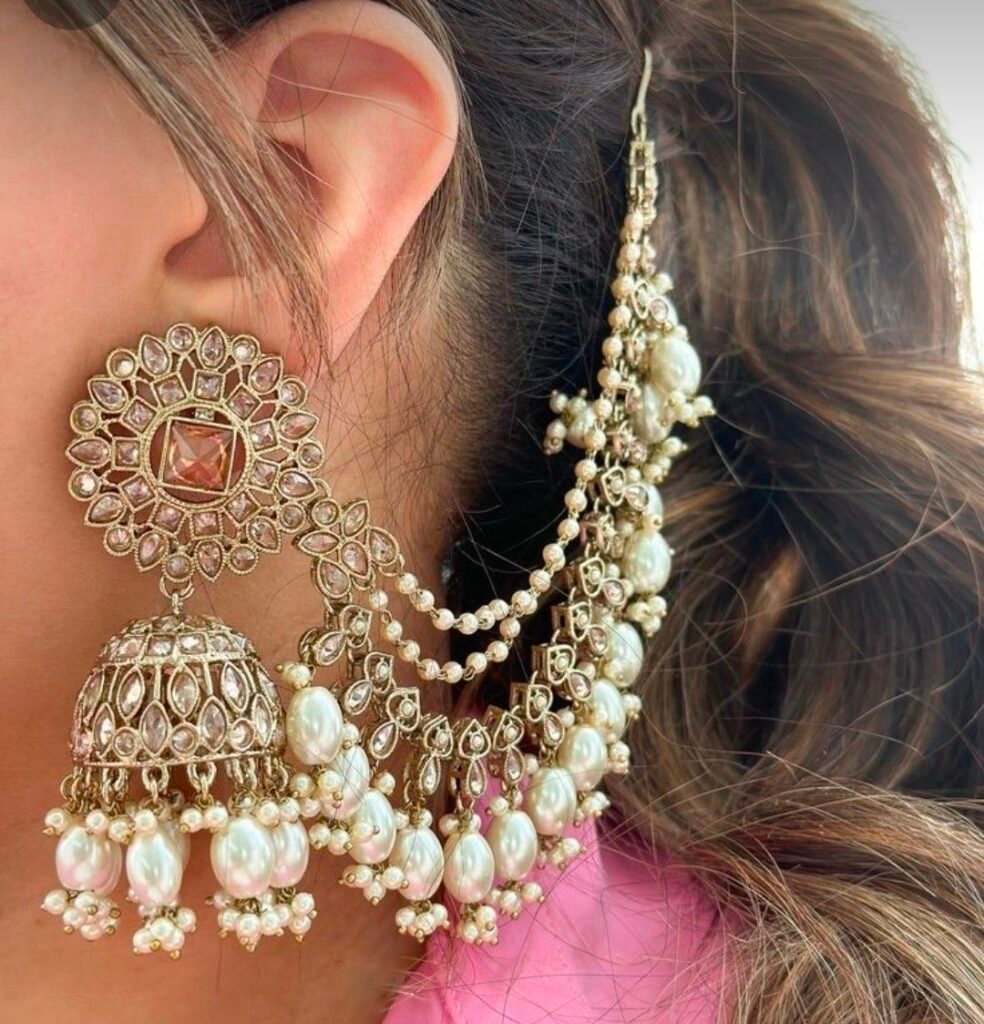
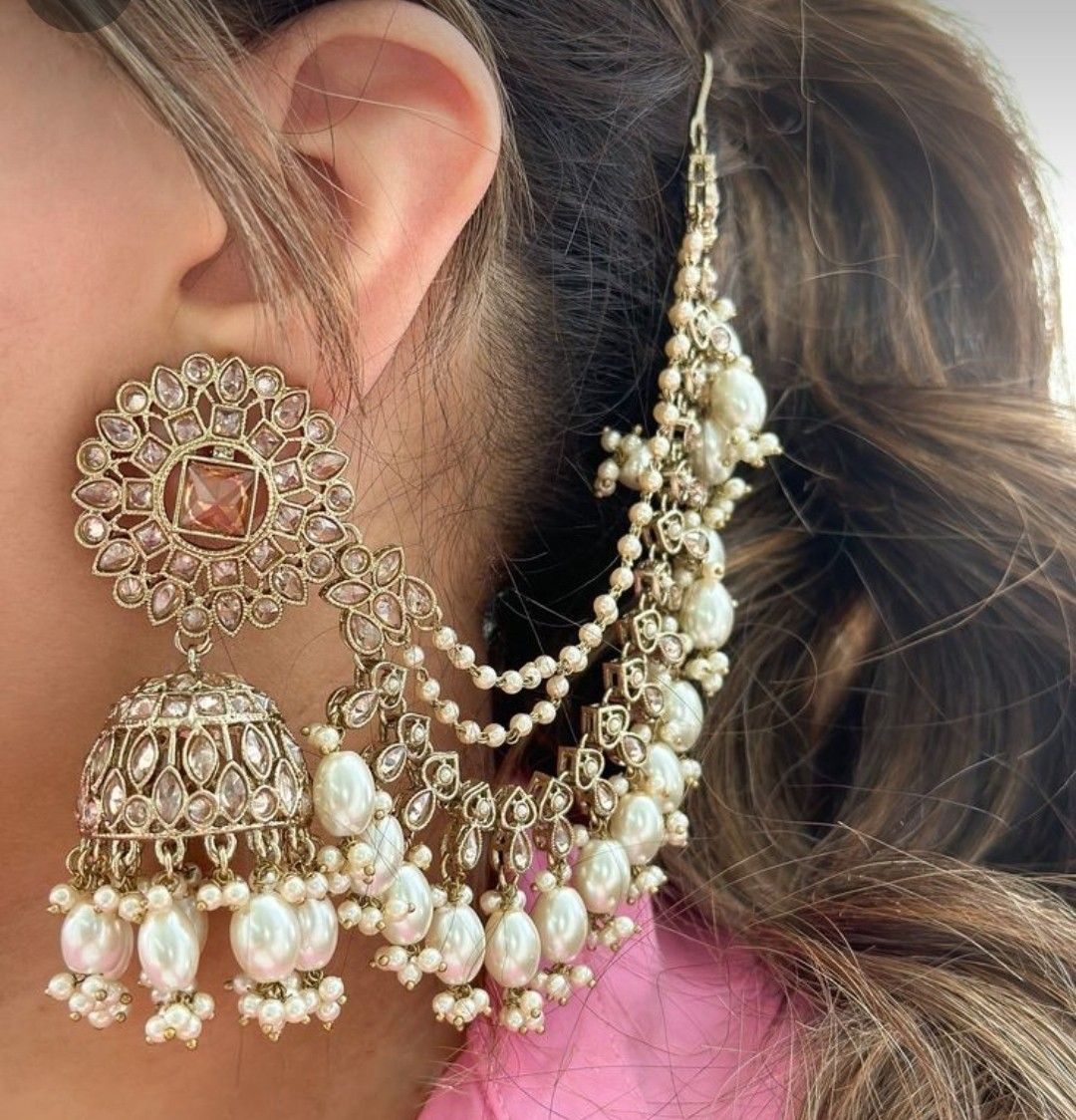
If you’ve been searching for kashmiri dejhoor earrings online shopping and aren’t quite sure what makes a “dejhoor” different from a regular jhumka, you’re not alone — this is one of the most searched but least explained terms in Kashmiri jewelry. Here are 7 things worth knowing before you buy.
What Is a Dejhoor?
Dejhoor (also spelled dehjhoor) is the traditional Kashmiri name for a bell-shaped earring, historically worn as part of Kashmiri Pandit and Kashmiri Muslim bridal traditions alike. Unlike a purely decorative accessory, the dejhoor has cultural roots — in many Kashmiri Pandit wedding traditions specifically, it’s tied to marital jewelry customs, similar to how a mangalsutra carries meaning in other Indian communities. Today, “dejhoor” is used more broadly to describe the traditional Kashmiri jhumka silhouette, whether or not it’s tied to a specific ceremony.
Dejhoor, Athoor, or Dehjhoor? Regional Spellings to Know
If you’ve come across “athoor earrings” while searching, you’re looking at the same style — athoor is simply another regional spelling/pronunciation of dejhoor used by some shoppers, alongside “dehjhoor.” All three terms typically point to the same traditional Kashmiri bell-earring design, so it’s worth searching under multiple spellings if you’re not finding what you want under just one.
1. Dejhoor and Jhumka Are Closely Related, Not Identical
Every dejhoor is a type of jhumka (bell-shaped earring), but not every jhumka is styled as a traditional dejhoor. Dejhoor designs tend to follow a specific elongated silhouette with layered metalwork, while “jhumka” is the broader umbrella term used across Indian jewelry traditions generally.
2. The Craftsmanship Is the Real Differentiator
What makes an authentic dejhoor design stand out is the metalwork: fine filigree detailing, multiple connected tiers, and finishes that echo the region’s Mughal and Persian-influenced craftsmanship. Mass-produced “jhumka-style” earrings often skip this layered detailing entirely.
3. Material Options Vary Widely
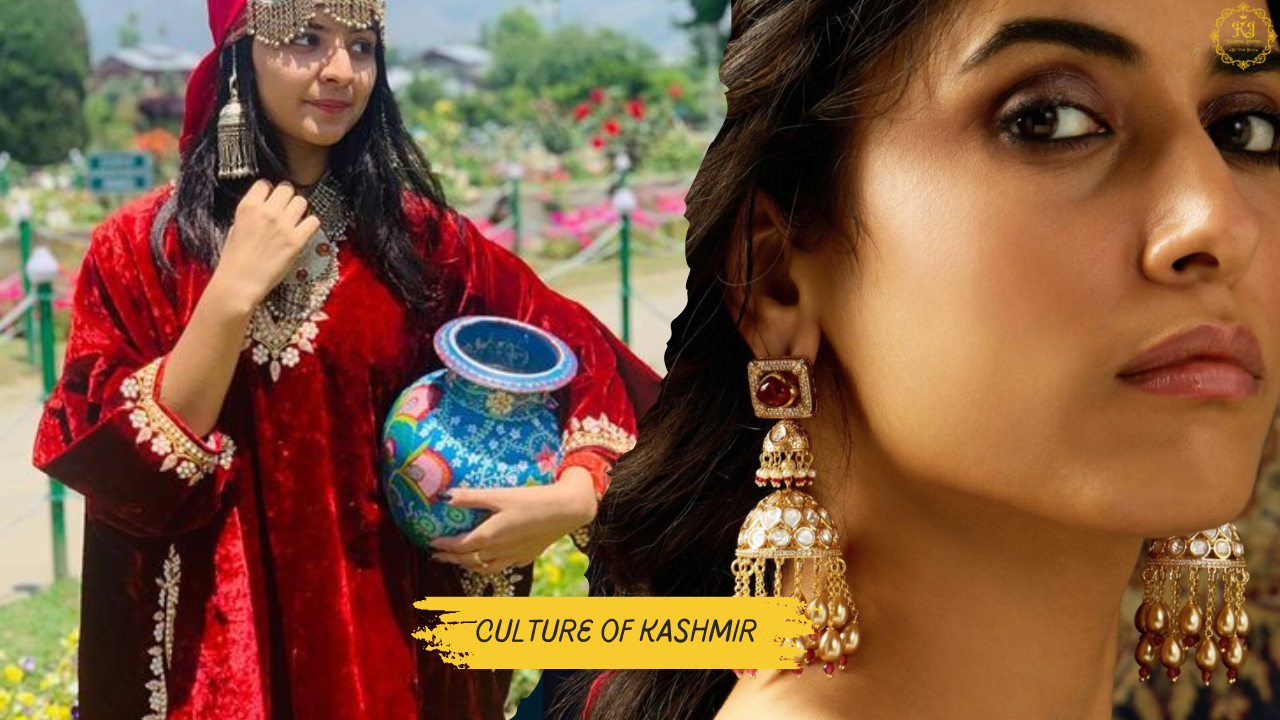
Dejhoor earrings are available in oxidized silver, gold-tone plated, and sterling silver finishes. Oxidized versions lean traditional and casual, while gold-plated and stone-studded versions are typically chosen for weddings and festive wear.
4. Sizing Affects Comfort More Than Looks
Traditional dejhoor designs tend to be on the longer, heavier side compared to modern minimal jhumkas. If you’re doing kashmiri dejhoor earrings online shopping for daily wear, look specifically for “lightweight” or “everyday” variants rather than full traditional-weight designs meant for bridal wear.
5. They Suit More Occasions Than You’d Expect
While rooted in bridal tradition, modern dejhoor designs are worn well beyond weddings — with sarees for festivals, with anarkalis for family functions, and in smaller sizes even with Indo-western outfits for a subtle traditional touch.
6. Authenticity Is Easy to Verify — If You Know What to Look For
Genuine dejhoor craftsmanship shows visible hand-finishing: slightly irregular filigree patterns, soldered (not glued) connection points, and consistent oxidization in recessed areas. Purely smooth, uniform surfaces usually indicate a mass-manufactured piece rather than one following traditional technique.
7. Price Reflects Detailing, Not Just Metal Weight
A simple dejhoor-style jhumka can start under ₹500, while heavily detailed, multi-tier traditional designs with stonework can run ₹2,000 and above. The price difference usually comes down to the number of tiers, detailing, and whether stones or enamel work are included — not the base metal alone.
How to Style Dejhoor Earrings
- For weddings and festive events: Choose fuller, multi-tier designs with gold-tone or stone detailing.
- For everyday wear: Look for lightweight, single-tier oxidized versions.
- For Indo-western outfits: Smaller dejhoor-inspired studs or short danglers work well without overwhelming a modern outfit.
Kashmiri Dejhoor Earrings Online Shopping: What to Check Before You Buy
- Check the tier count and weight in the product description — this affects both comfort and price.
- Look closely at photos for visible filigree or hand-finished detailing rather than a flat, uniform surface.
- Confirm the closure type — hook closures typically support heavier traditional designs better than push-backs.
- Check return policy before buying, especially for bridal or gifting purposes.
Caring for Your Dejhoor Earrings
Store them separately in a soft pouch to protect the filigree detailing, avoid perfume and water contact, and clean gently with a dry cloth rather than any chemical jewelry cleaner, which can strip oxidized finishes.
Shop Kashmiri Dejhoor Earrings Online
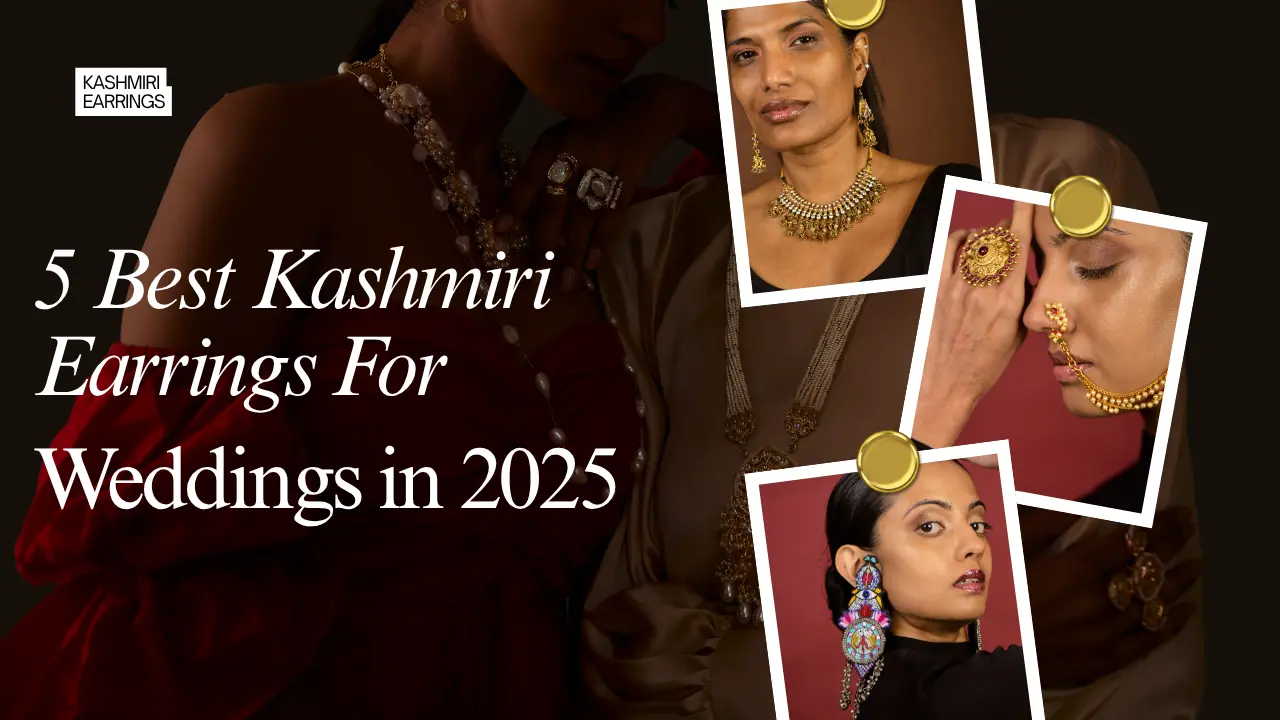
Ready for kashmiri dejhoor earrings online shopping? Explore our full Earrings collection, or see our complete Kashmiri jhumka buying guide for a wider look at related styles.
Frequently Asked Questions
Q: Is dejhoor the same as athoor?
A: Yes — athoor and dehjhoor are regional spelling variants of the same traditional Kashmiri bell-earring style referred to as dejhoor.
Q: Is dejhoor the same as jhumka?
A: They’re closely related — dejhoor is the traditional Kashmiri name for the jhumka-style bell earring, though “dejhoor” specifically refers to the region’s layered, filigree-detailed silhouette.
Q: Are dejhoor earrings only for weddings?
A: No — while traditionally tied to bridal wear, lighter modern dejhoor designs are worn for festivals, family functions, and even daily wear.
Q: What should I expect when doing kashmiri dejhoor earrings online shopping?
A: Expect a wide price range depending on tier count and detailing — simple single-tier designs can start under ₹500, while detailed multi-tier or stone-studded bridal styles can range ₹2,000 and above.
Q: How can I tell if a dejhoor design is authentic craftsmanship?
A: Look for visible hand-finished filigree, soldered connection points, and natural variation in the oxidized finish — overly uniform, smooth surfaces usually indicate mass production.
Q: What’s the difference between dejhoor and chandbali?
A: Dejhoor follows the bell-shaped jhumka silhouette, while chandbali has a crescent moon shape — some modern designs fuse both into a single hybrid earring.